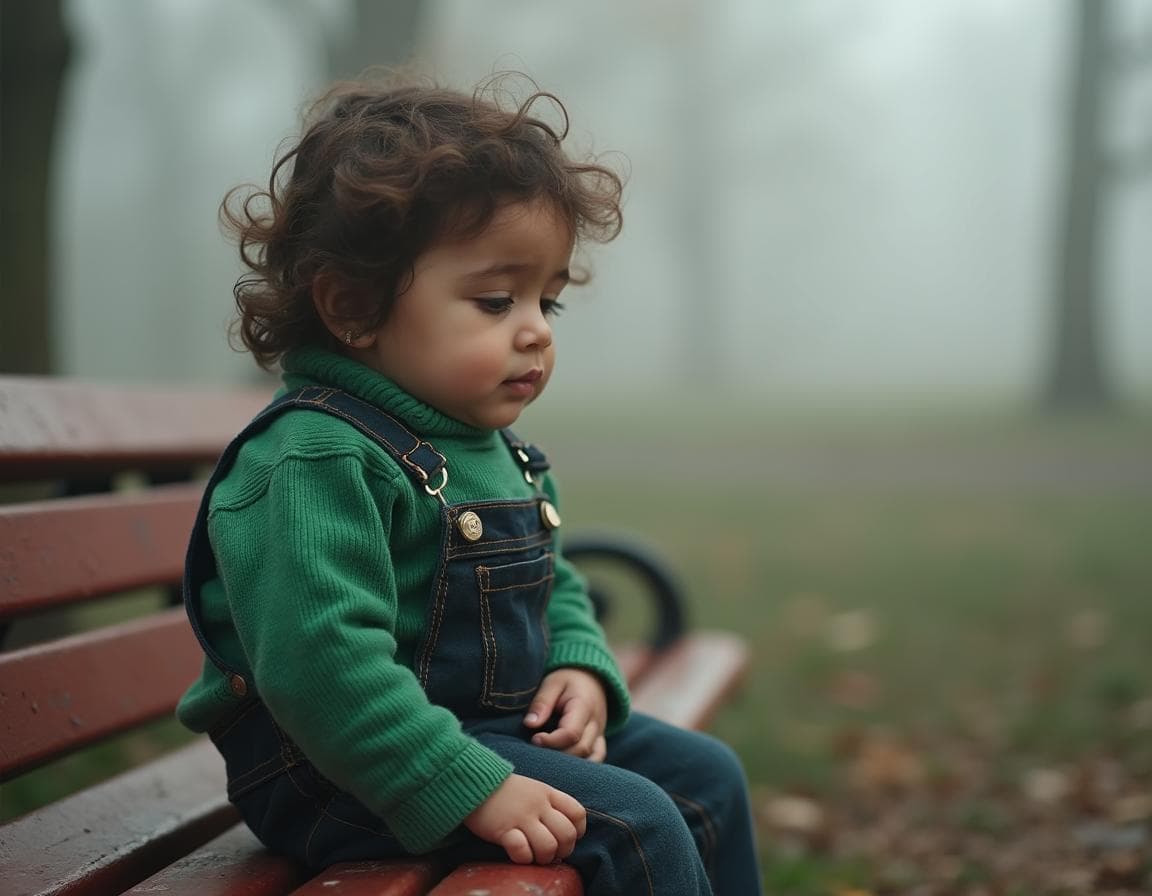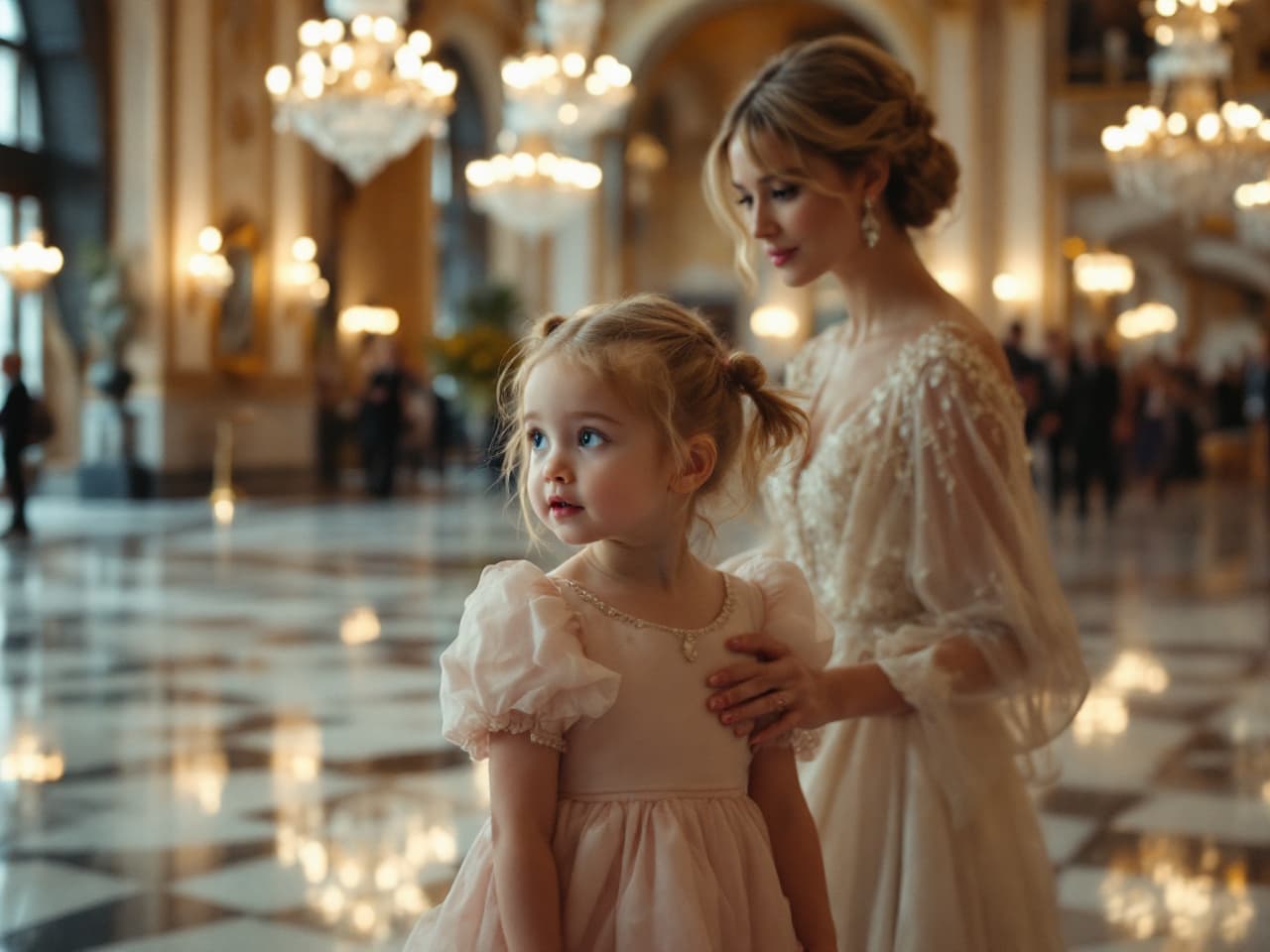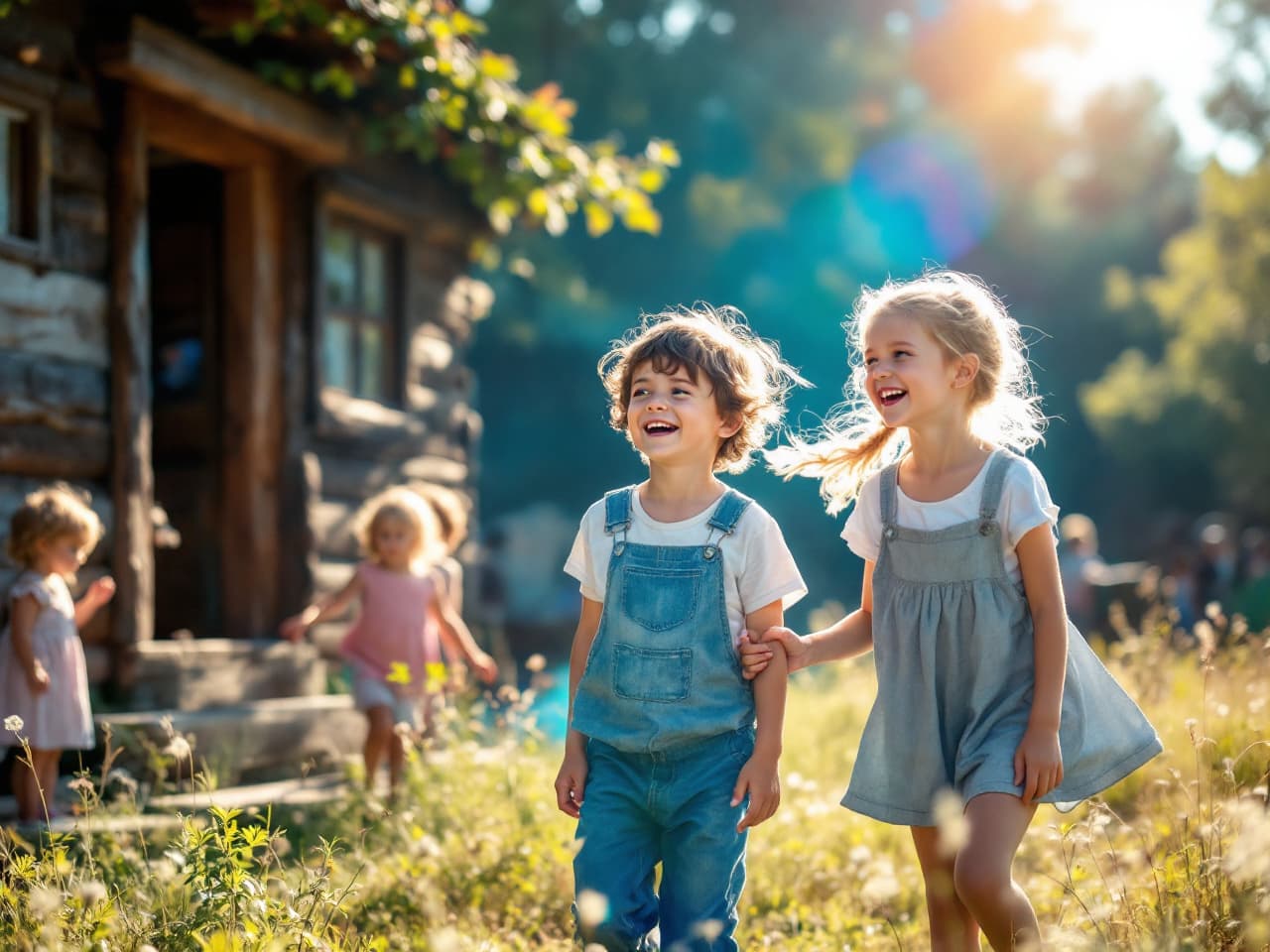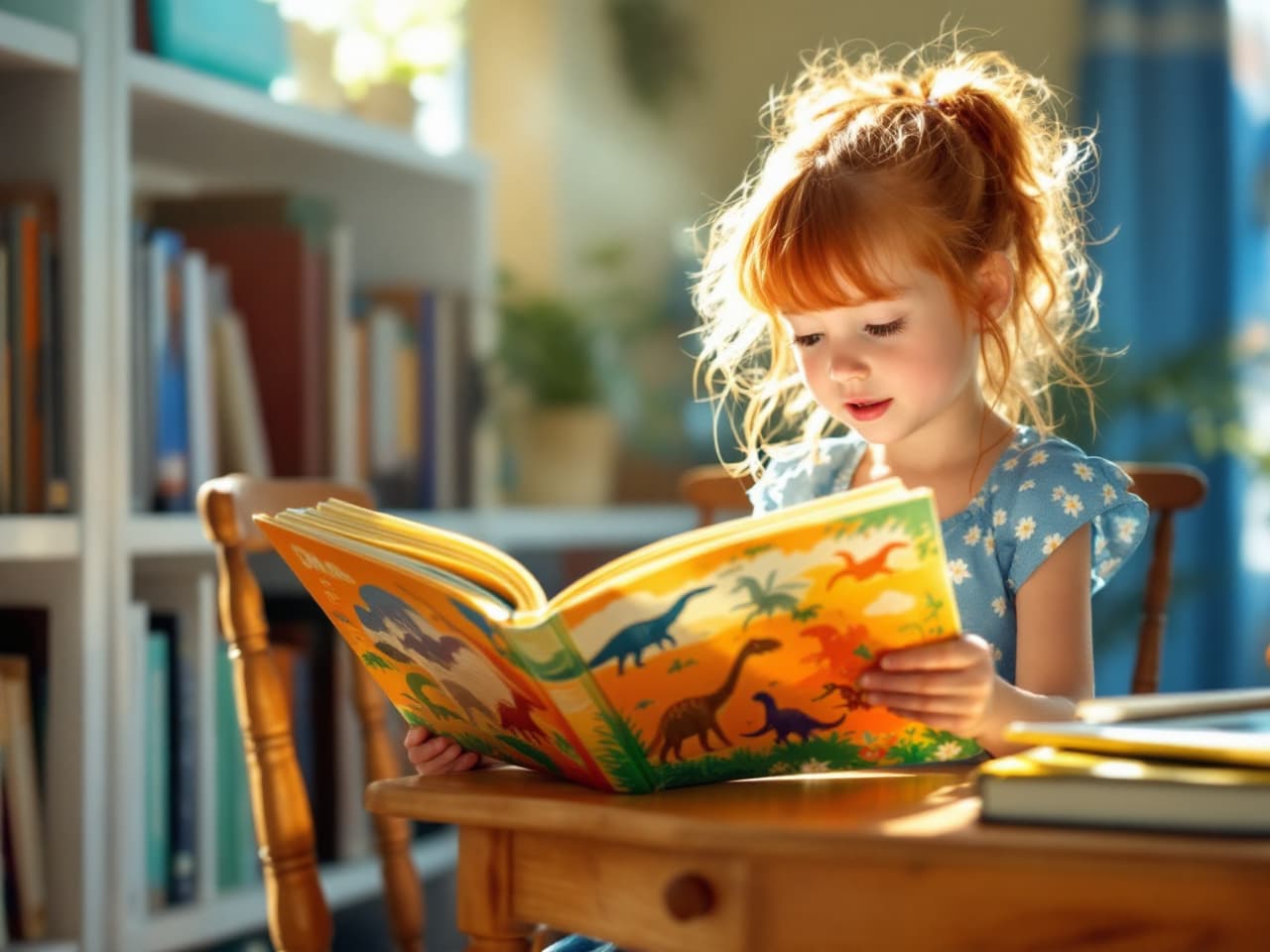


Empathy is an essential quality that helps children build friendships, understand other people's emotions, and develop caring behavior. Building empathy is a process that takes time and patience, but with the right methods, every parent can help their child become a kind and empathetic person.
Empathy is an important quality that helps children build friendships, understand others' emotions, and develop caring attitudes.
What is empathy and why is it important?"
.Empathy is the ability to understand and share the feelings of others. It helps children:
- Develop friendliness and communication skills.
- Learn to cooperate and work as a team.
- Be tolerant of different points of view.
- Resolve conflicts without aggression.
- Feel happier by having good relationships with others.
But empathy is not an inborn quality, it can and should be developed!
But empathy is not an inborn quality, it can and should be developed!
How to develop empathy in a child?
1. Be an example of empathic behavior
.Children learn by imitating adults. If parents are caring, grateful, and helpful to others, the child will begin to behave in the same way.
1.
✅ Tip: Explain your good behaviors to your child: - "I bought my grandmother groceries because it is hard for her to go to the store."
- "I gave up my seat on the bus because the man next to me looked tired."
2. Help your child recognize and name emotions
.
The better a child understands his own emotions, the easier it is for him to recognize the feelings of others.
✅ Tip: - Ask: "How are you feeling right now?"| 3. Encourage caring for others The more a child cares for others, the better their empathy develops. The more a child cares for others, the better their empathy develops. ✅ Tip: - Allow your child to help you with chores around the house. Allow your child to help with household chores. Allow your child to care for younger siblings or pets.
4- Discuss emotions through games and stories Role play helps children to put themselves in the shoes of others. Communicate emotions through games and stories ✅ Tip: - Play situations: "Imagine your friend fell and hit himself. What would you do?" 5. Explain other people's behavior
Often children take the behavior of others literally, without thinking about the reasons. Often children take the behavior of others literally, without thinking about the reasons. ✅ Tip: If a child says: "Masha was rude at school today", you can respond:
- Use emotion cards and discuss them.
- Read books where characters have different feelings and analyze their actions.
- Offer to care for younger siblings or pets.
- Encourage participation in charitable activities (e.g., collecting items for an orphanage).
- Read fairy tales and discuss the characters' feelings: "How do you think Cinderella is feeling right now?"
- "Maybe she's upset or tired? How can you help her?"
6. Encourage help and gratitude
.The child needs to see that his or her acts of kindness are appreciated.
✅ Tip:
- Thank him for his help: "Thank you for helping me set the table, it was my pleasure."
- Encourage gratitude: "How can you thank a friend for being supportive?"
7. Develop tolerance and respect for differing opinions
Empathy is not only empathy, but also the ability to understand others' points of view.
See the following.
✅ Tip: - Show that different people can think differently: "Anton has a different point of view, let's try to understand it." 8. Reduce the impact of violent content
TV, games, and social media can shape aggressive behaviors. ✅ Tip: - Limit violent content. 9. Teach your child how to resolve conflicts peacefully The child should realize that any conflict can be resolved without aggression. Teach your child to resolve conflicts peacefully ✅ Tip: - Show strategies for peaceful resolution: "You can say, 'I don't like it when you say that.' 10. Create a family tradition of good deeds Traditions help reinforce empathic behavior. ✅ Tip: - Make it a habit to say something nice to each other every day. Be a part of your family.
Conclusion Which of the tips do you find most helpful? Share your thoughts! 😊
- Teach your child to respect other people's boundaries: "If someone doesn't want to play your game, that's their right."
- Discuss the scenes you see: "Do you think the main character did a good thing?"
- Teach compromise: "How can we negotiate so that both of us are happy?"
- Organize family charity events, such as helping homeless animals.
Empathy is an important quality that helps a child build healthy relationships and be happy. Its development takes time, but with the right approach, parents can raise a kind, empathetic and caring person. The key is to be an example to your child and support them in their efforts to be kind.